How to regulate the flowering period of flowering bonsai
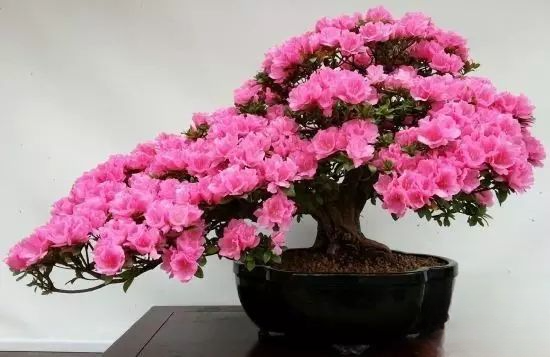
Flowers and bonsai have their fixed blooming time, but if you want to see a house full of various flowers in winter, or if bonsai enthusiasts want flowers to bloom at a certain time of year, this can be achieved through human intervention.
1. Flowering period regulation method
The time when flowers bloom can be controlled in the following ways.
(1) Temperature control. The function of temperature control is to regulate the dormancy period, flowering induction and flower bud formation period, and flower stem elongation period of flowers. Below we will introduce in detail the role of temperature control in controlling the flowering period.
① Breaking dormancy: Temperature regulation can increase the activity of dormant embryos or growth points, break the spontaneous dormancy of nutrient buds, and make them germinate and grow. For example, if gladiolus bulbs are refrigerated at a low temperature of 2 degrees Celsius to 5 degrees Celsius for 5 weeks, their dormancy can be broken, and they can be planted in advance, which can advance the flowering period.
② Vernalization: At a certain stage of the flower life cycle and at a certain temperature, the vernalization stage can be completed through a certain period of low temperature, so that the differentiation of flower buds can break the routine. Therefore, by lowering the temperature, the effect of regulating the flowering period can be achieved. For example, six-petaled flowers can continuously produce new buds at a suitable temperature, and the formation of flower buds needs to be induced by low temperatures of 5 degrees Celsius to 13 degrees Celsius. It takes about 4 to 6 weeks in China. Summer cultivation needs to keep it at a ground temperature of 15 degrees Celsius, so that it can bloom continuously, otherwise it can only wait until winter to plant it again and promote the growth of new seedlings through low temperatures. There are also some flowers, such as fuchsia, which will stop growing and not blooming under hot summer conditions. At this time, we can use measures to lower the temperature to promote its continuous flowering.
③ Flower bud differentiation: Flower bud differentiation of cultivated flowers requires a suitable temperature range. Only within this temperature range can flower bud differentiation proceed smoothly. Different flowers have different suitable differentiation temperatures. For example, jasmine can be heated in spring to promote early flowering. Jasmine can be heated before the temperature drops in late autumn to extend the flowering period.
④ Flower bud development: Some flowers enter dormancy after the flower bud differentiation is completed, so temperature treatment is required to break the dormancy of the flower buds and develop and bloom. The differentiation and development of flower buds often require different temperature conditions.
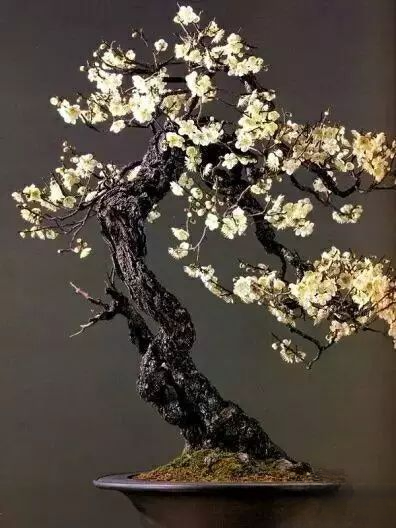
⑤ Influence on the elongation of flower stems: The elongation of flower stems of some flowers requires a certain period of low temperature pretreatment, and then they can be elongated under high temperature conditions. For example, Clivia, tulips, etc. Therefore, the temperature must be adjusted.
(2) Light regulation. For some flowers, the light cycle is the dominant factor that restricts their flowering. Therefore, flower lovers can control the light time of some flowers to change the time when the flowers bloom.
In order to make long-day flowers bloom in the autumn and winter when the natural daylight is short, artificial light can be added for 3 to 4 hours after sunset.
And give it proper heating; if you want to delay its flowering,
You can reduce the amount of light exposure by shading the plant for a few hours during the day, which can delay flowering.
For short-day flowers such as chrysanthemums, Christmas cacti, poinsettias, etc., you can cover them with black cloth or black plastic bags in the evening or morning to block out light for several hours, giving them only 8 to 10 hours of sunlight a day.
In this way, it will bloom in about two months; conversely, if the light hours are artificially increased to more than 12 hours a day, the purpose of delayed flowering can be achieved.
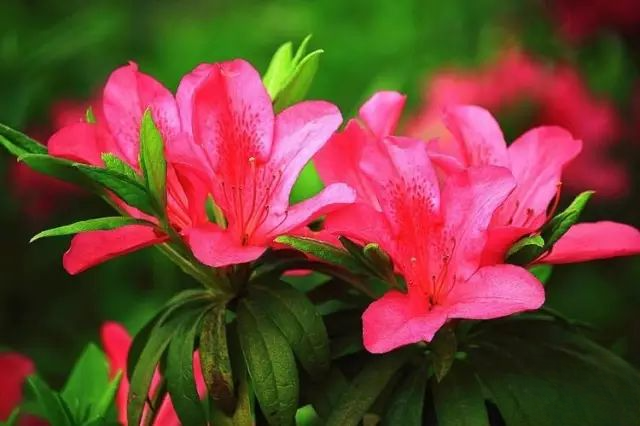
In addition, for flowers that bloom at night, such as Epiphyllum, after the buds appear, you can shade them during the day and apply artificial light at night, so that they will bloom during the day.
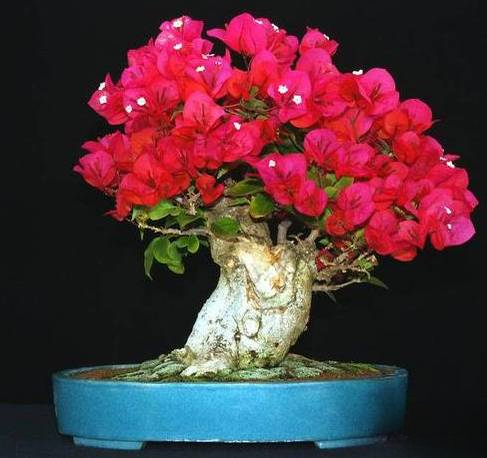
(3) Water and fertilizer regulation. Some woody flowers will complete the entire process of flowering and fruiting in a very short time when encountering harsh environments in order to continue their offspring. We can take advantage of this characteristic of woody flowers and adopt methods of controlling water to adjust the flowering time of these flowers. For example, if you stop watering bougainvillea when the nutrition, light, soil conditions, and temperature conditions are suitable for reproductive growth, until the leaves wilt and fall off, and then water it in small amounts for about 20 days, the bougainvillea will be full of flowers.
For some bulbous flowers, the flower buds will stay in the bulbs under dry conditions and will not grow and bloom until water is supplied. For some flowers, the flower buds have differentiated at the turn of spring and summer. At this time, if you do not water them, prompting them to drop leaves or peel leaves early, and then spray water, you can make them bloom for the second time that year.
For herbaceous flowers that bloom successively, nitrogen fertilizer can be applied once at the end of flowering to extend the flowering period; if too much nitrogen fertilizer is applied in the early growth stage of flowers, it will delay flowering. After the plant's vegetative growth reaches a certain level, adding phosphorus fertilizer and potassium fertilizer can promote early flowering of flowers.
(4) Pruning and regulation. The growth rate of flowers and their flowering time can be regulated by pinching, pruning, bud removal, bud stripping, leaf stripping, and ring barking. Generally speaking, pinching can shape the plant and delay flowering; stripping the side buds of flowers can promote the flowering of the main buds; removing the top buds is conducive to the flowering of the side buds; and ring barking can cause nutrients to condense on the upper branches, which is conducive to the flowering of the plants.
Because the types of flowers are different, the amount of picking and the season are also different. For example, saffron and geranium can be pruned after the plants bloom, and management should be strengthened, so that the plants can re-sprout branches and leaves, and marigolds, fuchsias and other flowers can be pruned to control the formation of their buds.
(5) Drug regulation. Drugs can be used to regulate the flowering period of flowers. Currently, commonly used drugs include gibberellins, ethephon, chlormequat, paclobutrazol, mepiquat and cytokinins. For example, gibberellins have a significant effect in promoting flowering and are often used to treat dormant buds of peonies and peony, and flower stems of daffodils and Clivia. These drugs can not only induce flowers to bloom, but also dwarf plants, promote rooting, prevent flowers and fruits from falling, ripen fruits and remove weeds.
These measures to regulate the flowering period of flowers are not isolated. The measures to be used should be selected according to the types and varieties of flowers, and attention should be paid to the coordination of other corresponding measures and environmental conditions, so that some measures play a leading role and some measures play an auxiliary role; or these measures can be used at the same time, or these measures can be used one after another to achieve the best coordination and ensure that the flowers bloom as expected.
detail:
How to regulate the flowering period of flowering bonsai - SO2X


Comments
Post a Comment