Useful Information | Methods of Plant Configuration for Residential Landscape Design (Attached: Plant Configuration Data for the North and South)
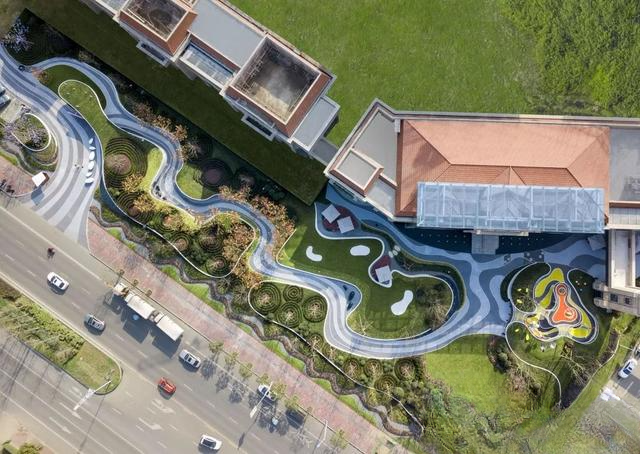
Landscape of Chengdu Huayangnian Jiangshan Demonstration Area
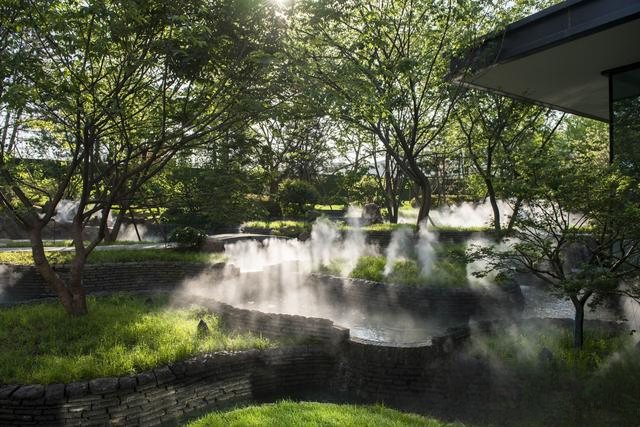
Image source: Beijing Sino-Ocean Sky Spring and Autumn Xiaoshan Residential Landscape
Useful Information | Methods of Plant Configuration for Residential Landscape Design (Attached: Plant Configuration Data for the North and South)
1. Functions of Plants in Residential Areas
1. Improve the environment
It can improve the living environment, such as purifying the air, shielding noise pollution on the road, absorbing carbon dioxide, reducing dust and haze, and regulating the microclimate environment in the area.
2. Ornamental
The plant landscape has high ornamental value, such as red flowers and green leaves in spring, dense green shade in summer, abundant fruits in autumn, and colorful leaves in winter, which improves the quality of life and life experience of residents in residential areas.
3. Regulate the climate
Regulate the microclimate of residential areas and alleviate the heat island effect in the area.
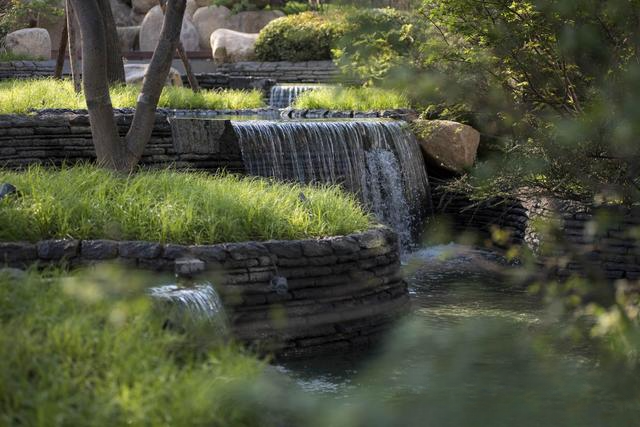
2. Principles of plant landscape design in residential areas
1. The principle of adapting measures to local conditions
Based on various factors such as the terrain, climate, cultural habits and customs of the residential area, design and create a plant landscape style that suits the characteristics of the residential area.
2. The principle of economic applicability
Comprehensive consideration should be given to aesthetics, visual perception, and actual use to ensure practicality, elegance, and reasonable layout, avoiding excessive luxury and pursuit of high-end products.
3. The principle of changing seasons and beauty
Plant landscape design needs to be foresighted and able to understand the different postures of various plants in the four seasons. It must also be designed in a coordinated manner from multiple aspects such as form, color, and smell in order to create a residential community plant landscape that is beautiful and has scenery in all four seasons.
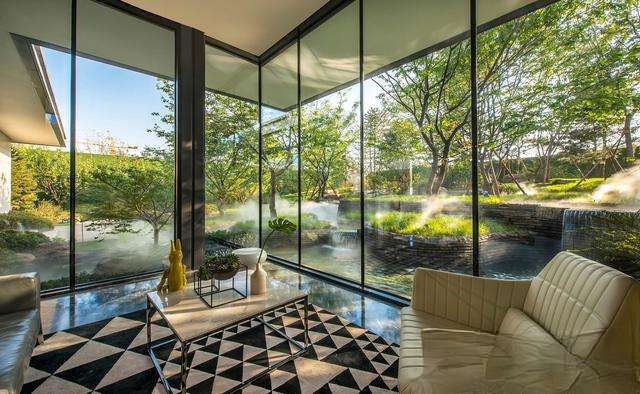
4. Follow the principle of individual design based on spatial attributes
From the perspective of green space function, residential areas can be divided into green space for residents' sports and activities and green space for leisure and viewing . For leisure use, three-dimensional comprehensive greening can be adopted, and green space with strong integrity can be selected to increase the permeability and viewing of the landscape; for greening of residents' sports and activities, species such as lawns and shrubs with long growth cycles, resistant to pruning, and suitable for trampling should be selected.
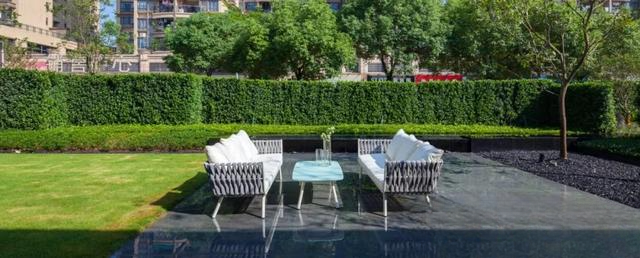
Zhongshan KWG Yingyuetai Demonstration Area Landscape
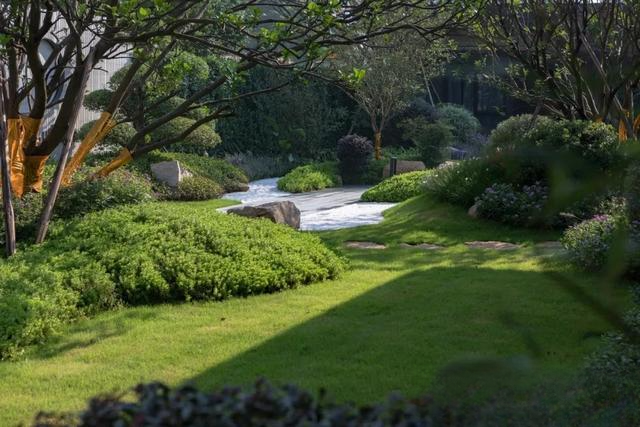
Zhongshan KWG Yingyuetai Demonstration Area Landscape
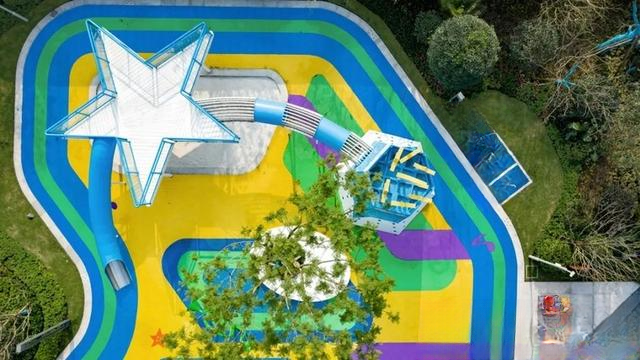
Chongqing Zhongjian Jinhecheng Demonstration Area Landscape
5. Ecological principle
Plant landscape design should not only create beautiful landscapes in the present, but also consider future landscape effects, so that plants can become more and more abundant and have more and more unique value over time.
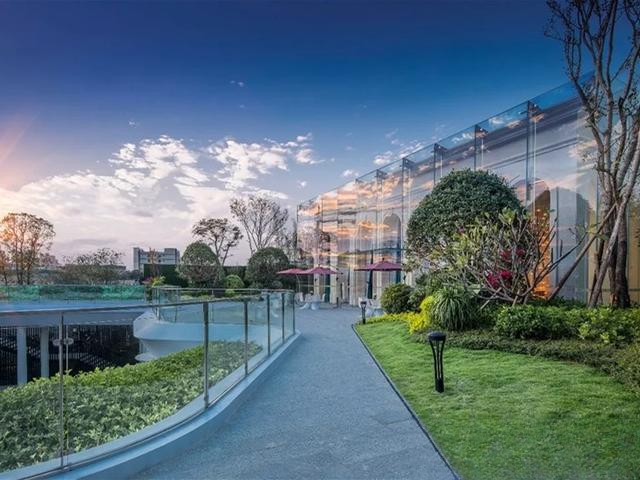
Landscape of Xuhuicheng Demonstration Area in Shishi, Fujian
3. Design methods of plant landscape in residential areas
1. Reasonable combination of various plants
Through the combination of various forms of plants such as trees, shrubs, and ground covers, a plant landscape with staggered heights and ups and downs can be created. Large trees are tall and can usually serve as the main framework of the plant landscape; small and medium-sized trees have beautiful postures and can be used to set off the atmosphere; flowering shrubs have delicate shapes and colors, which have the effect of icing on the cake; low shrubs can form a large volume and rich green effect, which is suitable as an environmental background or to cover the relatively rigid building corners.
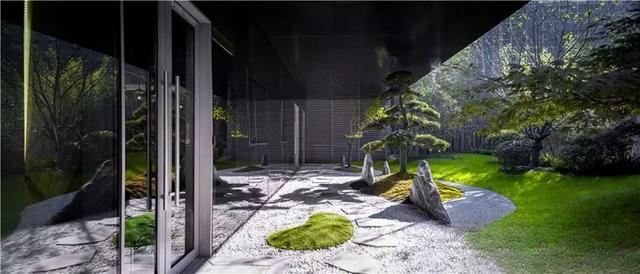
Landscape of the Shanghai Poly Capital Exhibition Area
2. Flexibly use a variety of planting methods
The plant landscape design in residential areas should use a variety of planting methods to make the landscape varied yet unified.
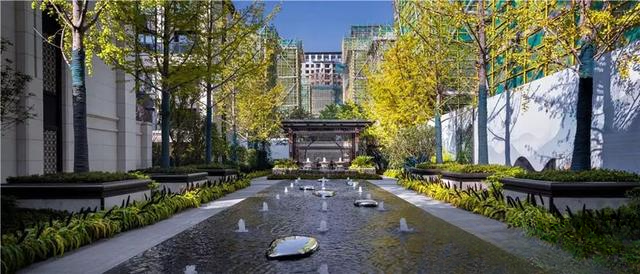
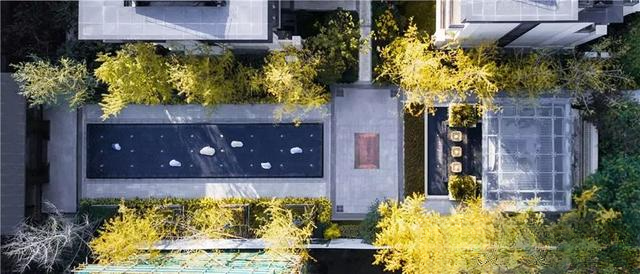
For example , camphor trees, sycamore trees or ginkgo trees can be planted symmetrically in rows at the entrance of the residential area , which looks solemn and neat. Symmetrical podocarpus and osmanthus trees can be planted in front of the residential buildings .


Comments
Post a Comment