50 common flower pruning tips
You need to learn how to prune flowers. Proper pruning can not only make the flowers bloom bigger and more, but also cultivate "fine products" and reduce yellow leaves, diseases and insect pests. Especially in spring and summer, you should master the time and method of pruning to make the flowers bloom more timely and more gorgeously. Today, we have sorted out 50 common flower pruning techniques, let's learn together!
Pruning method:
1. After the flowers bloom, you can cut off the remaining flowers. If it is a small-leaf gardenia, it can quickly bloom a second wave of flowers. Large-leaf gardenia blooms once a year.
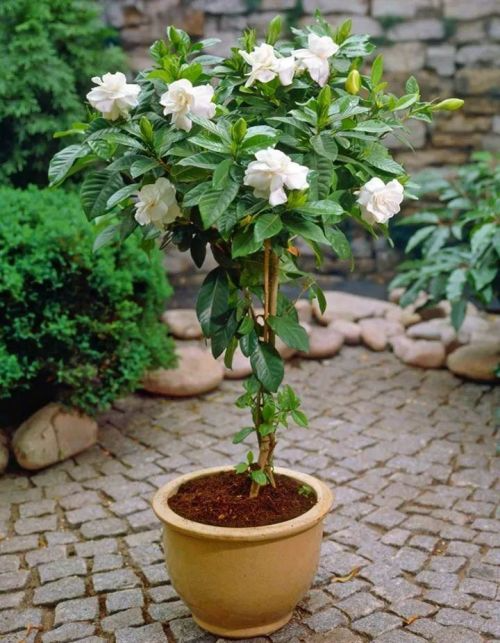
2. You can prune again in autumn every year. After pruning, the nutrients will be concentrated on the thick branches, and they will grow into large flower buds in the spring of the following year.
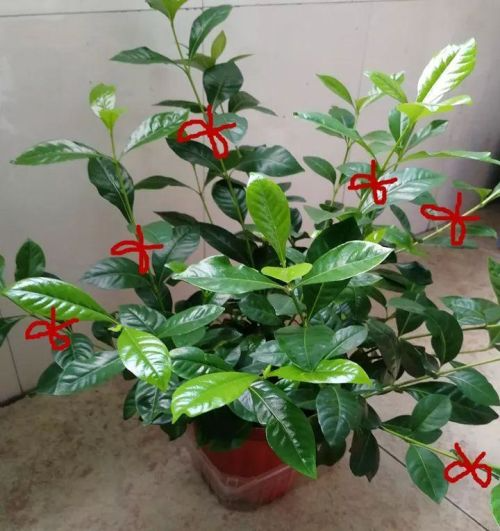
Pruning method:
1. Prune the roses every year before they sprout. For shrub roses, leave only 20cm above the ground. For climbing roses, only keep the strong main stem vines.
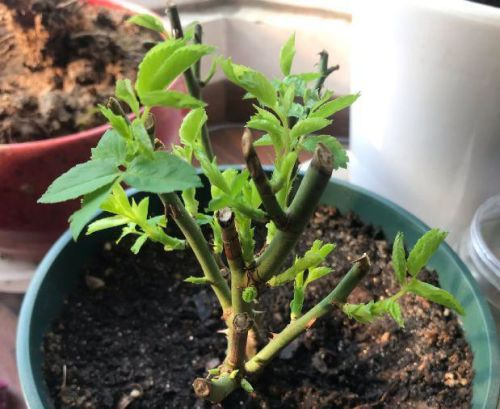
2. Before the flowers are about to bloom, cut the flowers and branches 10-20cm apart. If you find blind branches and buds, you can cut them at any time to save nutrients and ensure rapid re-flowering.
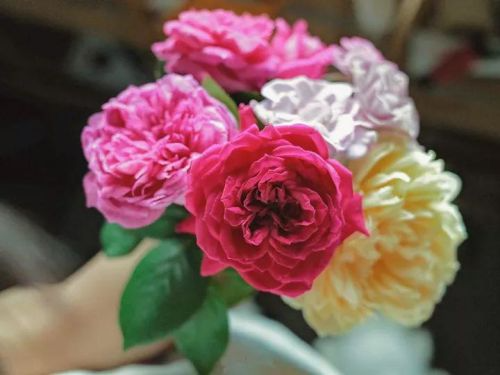
3. Prune in winter, usually around the beginning of winter, and cut off weak branches and branches with diseases and insect pests. In frosty and snowy weather, try to cut off the flower buds to avoid frost damage.
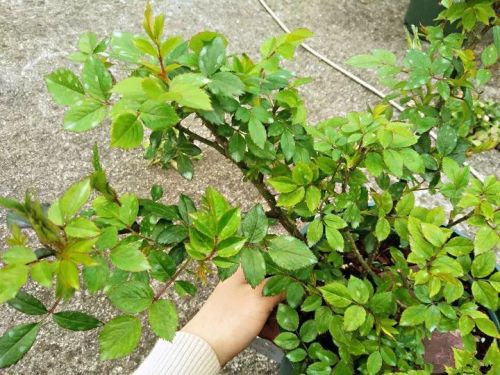
Pruning method:
1. You can do heavy pruning in mid-to-late March to early April. First cut the leaves (do not tear them off roughly, keep the buds in the axils of the leaves), then prune the branches. The green branches will only have 2 buds with leaves.
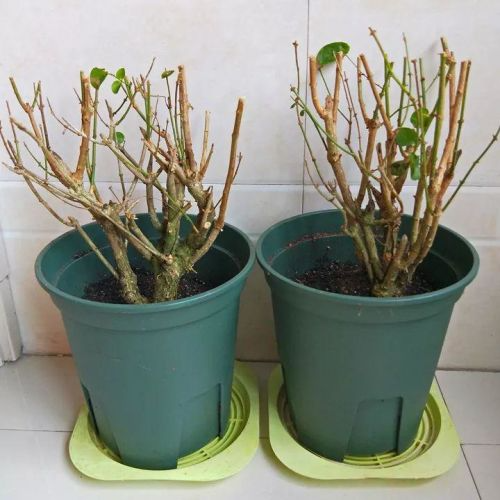
2. Prune after each flower blooms, starting from the second or third pair of leaves below the flower to retain nutrients and stimulate jasmine to bloom again;
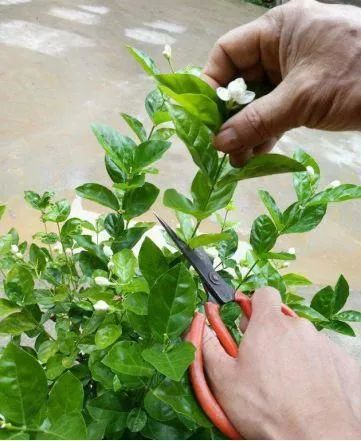
3. When the temperature drops below 5 degrees in winter, you can top the plant appropriately, cut off the overgrown and excess branches, and preserve nutrients for the winter.
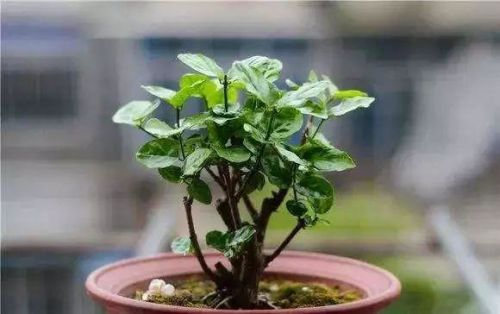
Image by: Dawn
Pruning method:
1. After the summer, the geranium will be reborn. It should be pruned again in September and October. In late summer and early autumn, the overgrown and deformed branches of the geranium should be cut off, and the old stump should be retained.
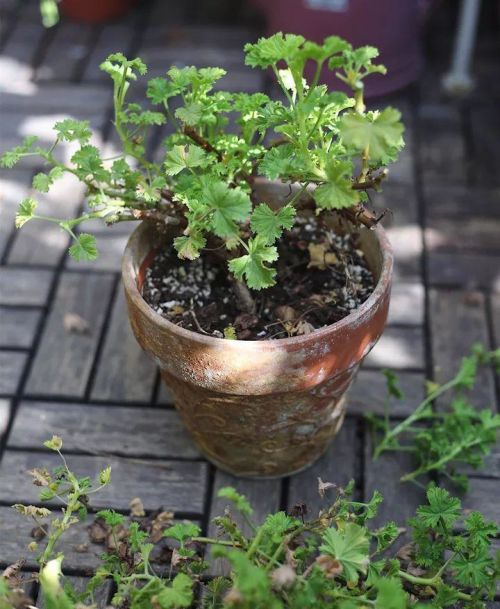
Image by: Coco
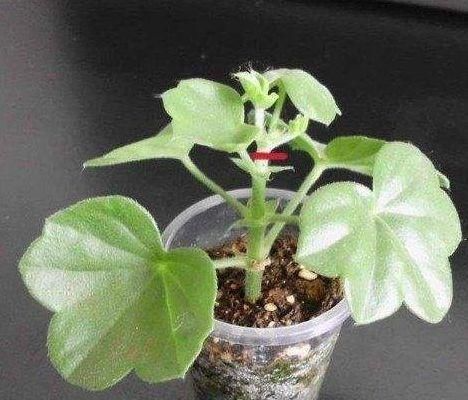
2. In order to grow more branches, pinch and top the branches around February in the spring before budding, and pinch off 3-8cm on the branches. Try to complete it before March so as not to affect flowering.
Pruning method:
1. There are relatively few flower buds for the first time. Pinching the flower buds ruthlessly can promote branch growth. After more branches and flower buds grow, the pot will bloom faster.
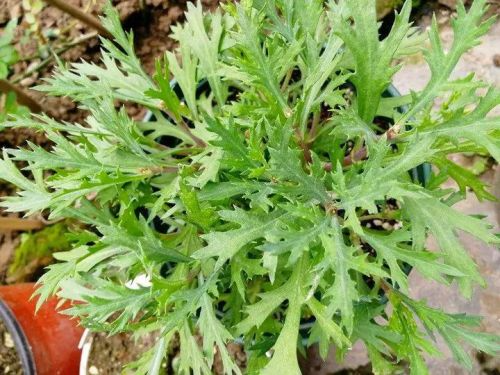
2. Every time the flowers are about to wither, cut off the remaining flowers and overgrown branches and leaves according to the ball shape, cutting off 5-10cm is enough to ensure the second flowering;

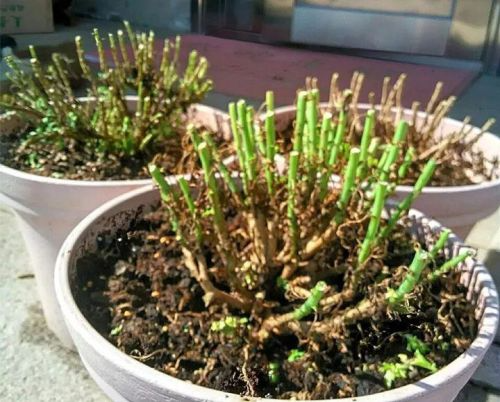
3. Prune heavily in February or March of the second spring after winter, leaving the old stump 5-10cm above the ground.
Pruning method:
1. Prune the flowers every time they are about to wither (preferably before they fall off), cutting off about 5-8cm of the flowers and leaves, and they will bloom again after 1-2 weeks;
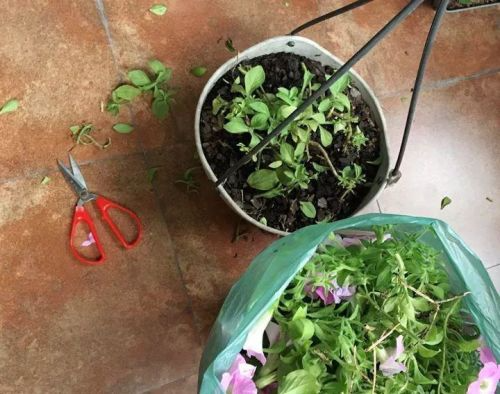
2. Although petunias are perennials, they generally bloom best in 1-2 years. In the early spring of the second year, they can be heavily pruned in February or March, leaving only branches 5-10 cm above the ground. They will bloom again in a month.

Pruning method:
1. Asparagus fern grows fast and recovers quickly in spring and autumn, so it is most suitable for pruning. Asparagus fern is considered a seedling in the first 1-2 years, and needs to be topped in spring and autumn, that is, cut short to prevent it from growing too long and unsightly;
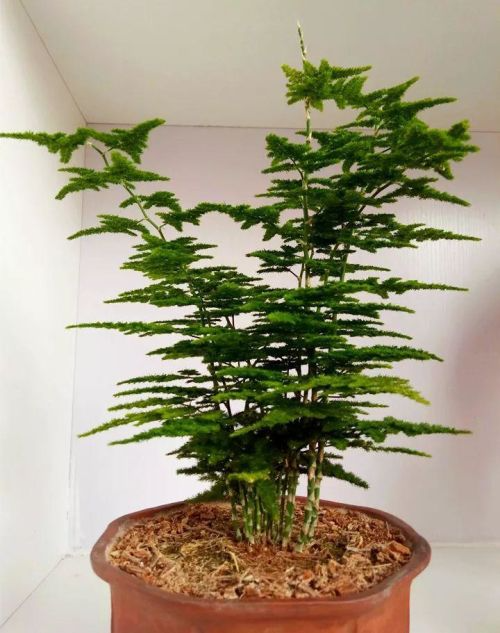
2. For asparagus fern that is more than 2 years old, you can shape it by pruning off yellow leaves, diseased leaves, and disliked branches to maintain its beautiful shape.
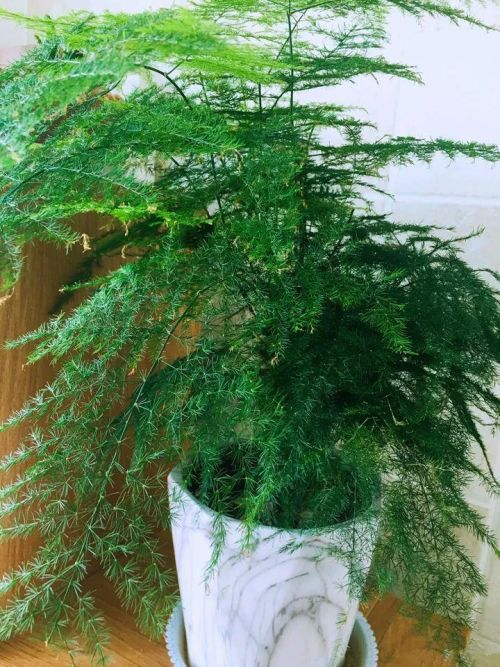
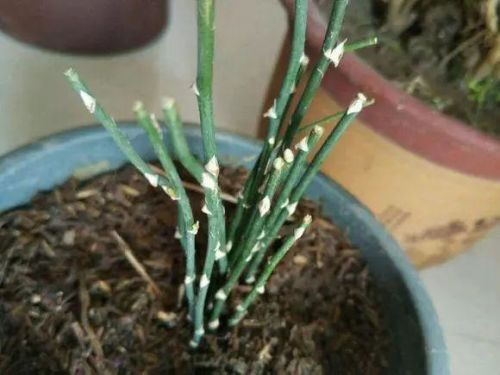
3. If the asparagus fern has large areas of yellow leaves or is not growing well, you can cut off all the leaves and leave only the thicker stems to allow it to grow again.
Pruning method:
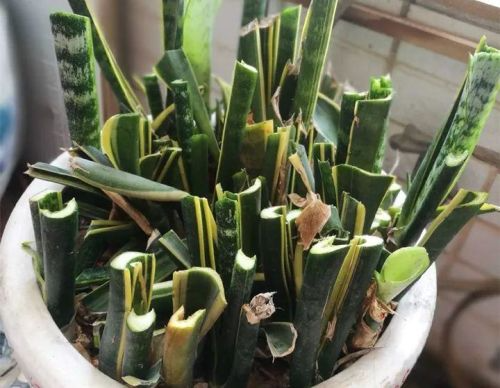
1. If the leaves of the tiger skin plant grow too high, you can cut them shorter if you don't like them, so that the nutrition is balanced. The cut leaves can also be cut into segments for leaf cuttings;
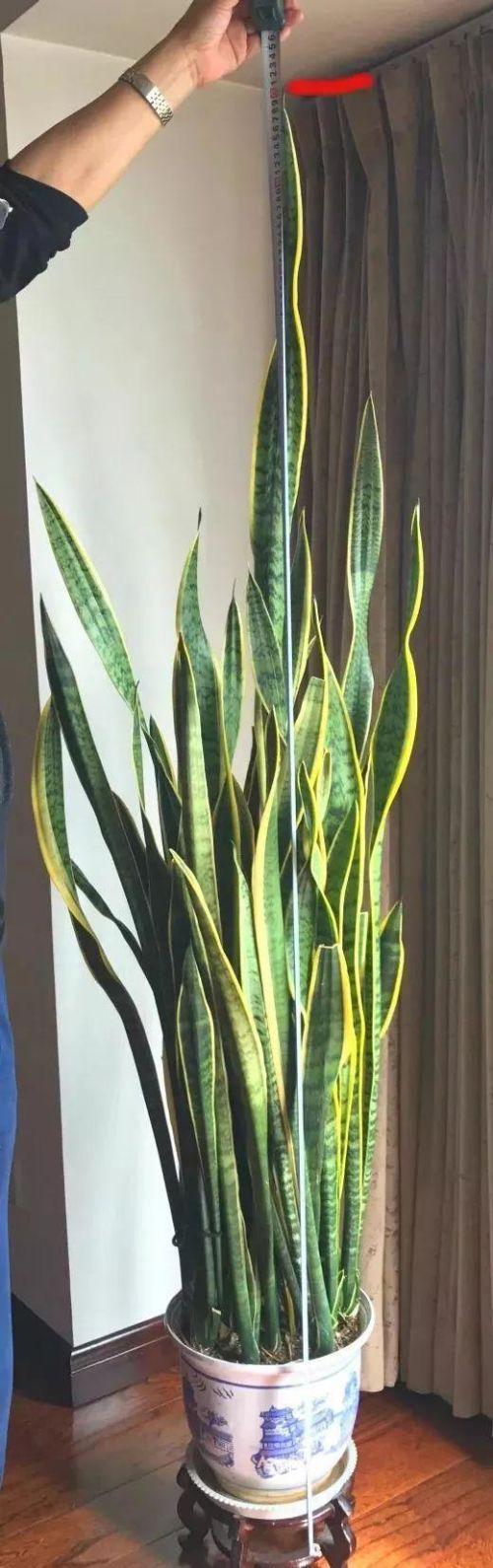
2. If the plant becomes melted, frostbitten, or limp, it is still necessary to prune it. It is best to use a blade to cut it off in one go. Avoid direct sunlight after cutting. Do not water the plant after the wound has dried. Wait 1-2 weeks before watering again.
Pruning method:
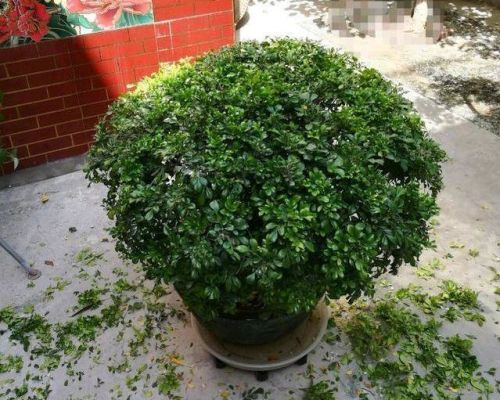
1. In March and April, prune when the growth begins, comb out the dense and cross branches to ensure that each branch can receive sunlight and have independent growth space;
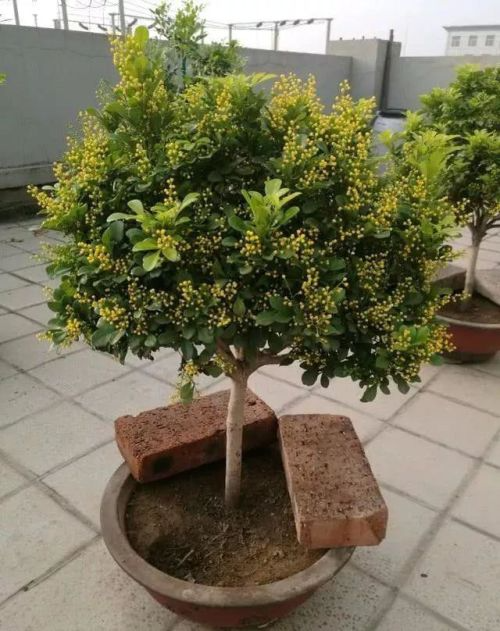
2. Prune in November and December when the growth is slow in winter, cut off diseased and weak branches, and cut into a rough shape. This will save nutrients and allow the plant to grow in the shape you like.
Pruning method:
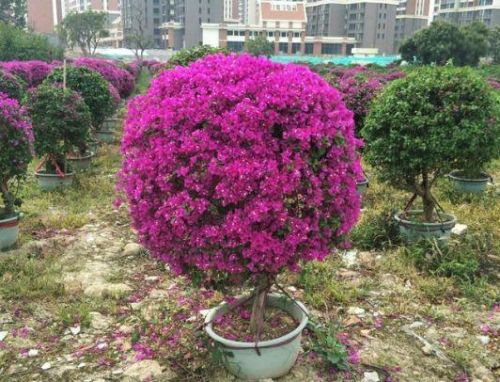
1. Prune in February and March before flowering. First, think of the general shape and cut off the messy thin branches and long branches;
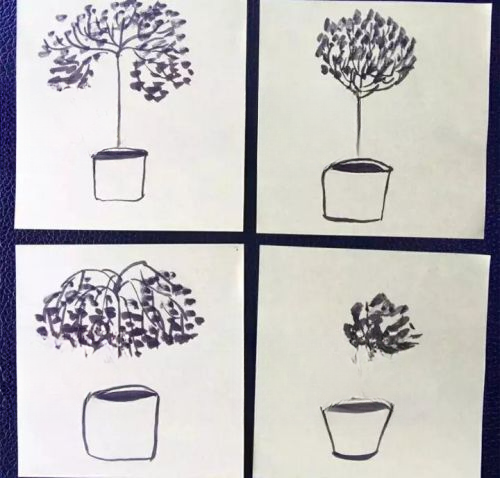
2. When the flowers are about to fade, prune them. Depending on the length of the bougainvillea itself, cut off 3-15cm of the flowers. Water less after pruning. After 1-2 weeks, water with phosphorus fertilizer and water, and it will soon bloom again.
Pruning method:
1. Prune in January and February before buds appear, leaving only the main branches. The growth will be faster than those without pruning, which can ensure accelerated growth in the new year.
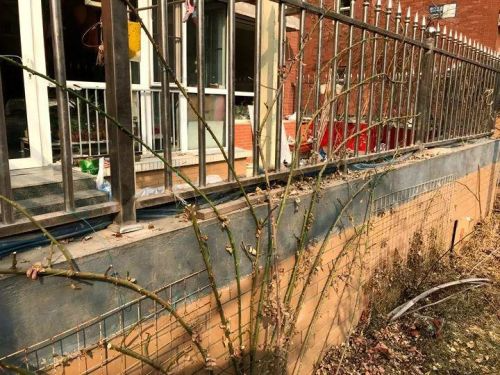
Image by: Free Handmade Love Baking
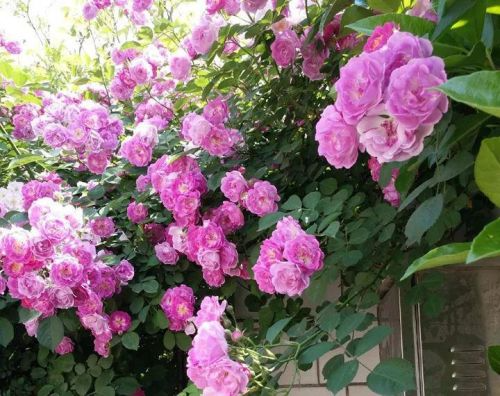
2. Prune after the flowers have bloomed. You can prune to control the shape, avoid growing in a bad direction, save energy to grow branches and leaves, and cover a larger area.
Pruning method:
1. Whether it is planted in the ground or in a pot, prune the flowers together with the remaining flowers after they bloom in spring and summer (preferably before they fall) to preserve nutrients;
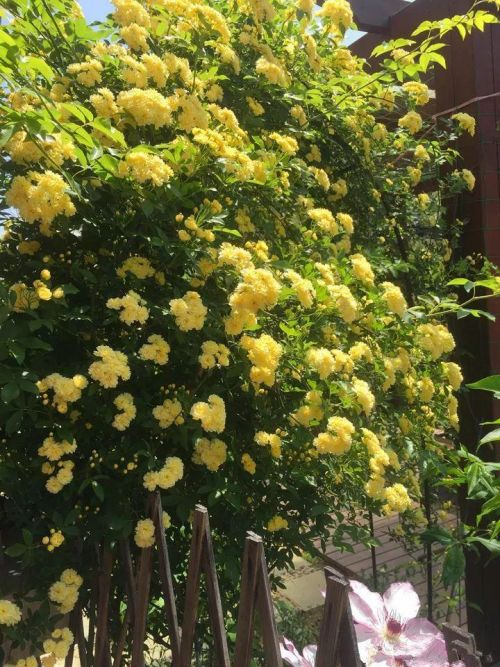
Image by: Land Gaoshui TSOG
2. The temperature in August is suitable, and the new branches that grow should be cut off to ensure the quality of flowering in the second year and reduce the situation where there are more leaves than flowers.
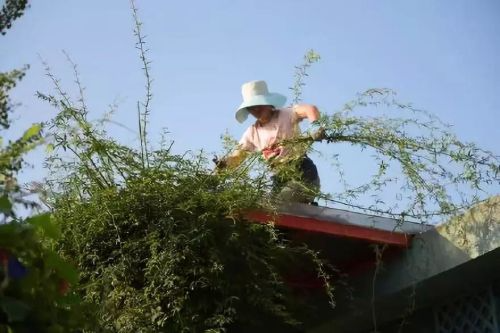
Image by: Houye from Feimao Country House
Pruning method:
1. Pruning in February and March is mainly to stimulate growth and flowering. All sick and weak branches after wintering can be pruned away;
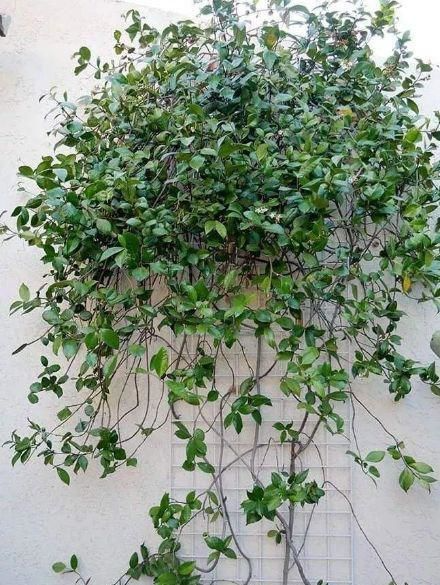
2. Prune in August and September. After being exposed to the sun in summer, many branches are old. Cutting them off can maintain growth and avoid pests and diseases and slow growth.
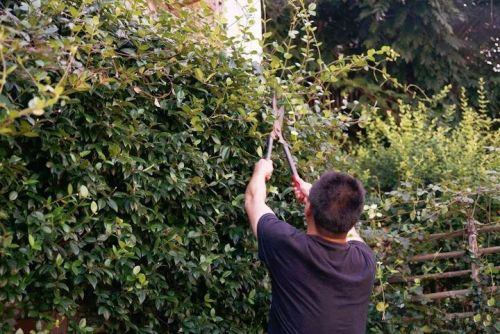
Image by: Twelve Barbarians
3. Prune in winter from November to December, and trim the plants according to your personal preferences to shape the general outline and growth pattern. This will save you a lot of trouble and effort in the second year.
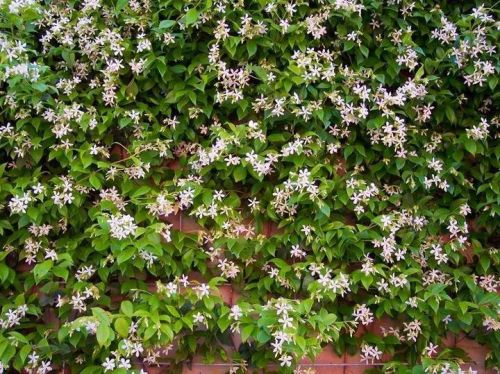
Pruning method:
1. The flowering period of bicolor jasmine is from March to October. Prune when the flowers are about to wither. Cut the remaining flowers and stems together to 3-8cm long, and cut off the branches that are overgrown and not flowering.
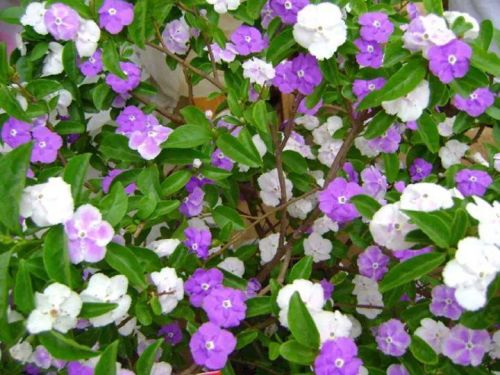
Image by: Hanfu
2. You can prune it into shape in winter, usually by topping it and pressing it down to prevent it from growing too tall. If planted in the ground, there is no need to control it, just cut off the overgrown and thin branches.
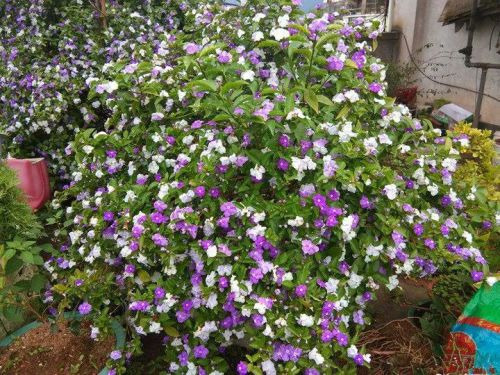
Pruning method:
1. Prune in mid-to-late January in the south and in February in the north. Just prune the sick and weak branches after winter and the cross-growing branches to ensure the quality of flowering this year.
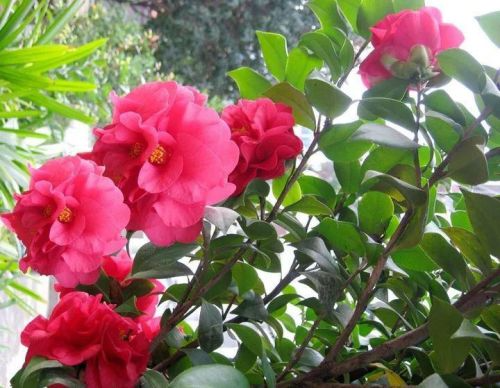
Do post-flowering pruning around February and April. When the flowers are about to wither, prune back 10-20 cm of the flowers and branches, and shave off the lower branches to maintain the upward growing tree shape.
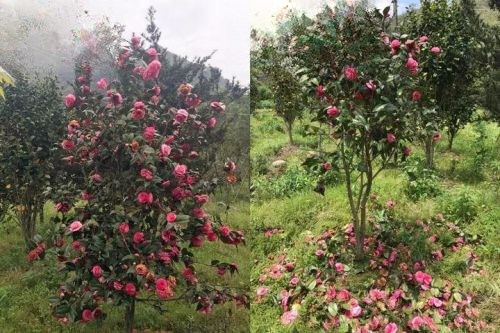
Image by: Muyi Garden Gardener
Pruning method:
1. You can prune it after the flowering period every year. When the petals wilt, cut off the pedicels under the flowers together to preserve nutrients for continued growth without yellowing leaves.
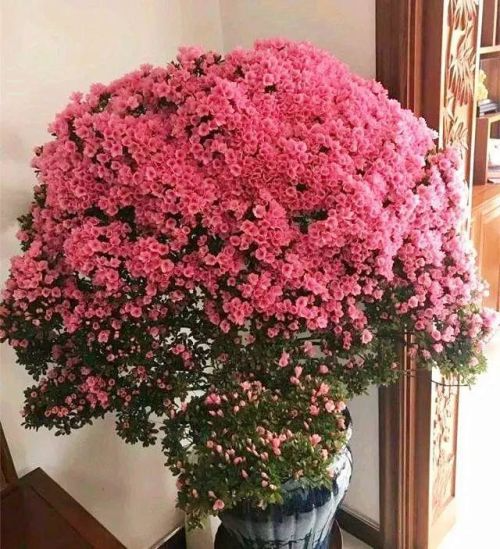
2. After cutting off the dead flowers, the azalea will grow branches and leaves rapidly. You can trim off the thin and tender branches that grow too tall. If the azalea grows too high, remember to top it and cut off the top to promote the divergent growth of the azalea. This is usually done in late spring and early autumn. Do not cut it in summer and winter.
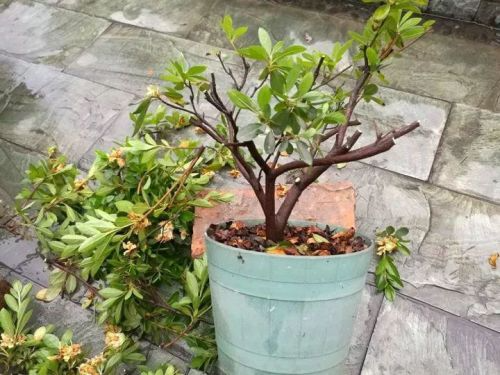
Image by: Happyjeep
Pruning method:
1. Prune after flowering. Cut off the remaining flowers when they are about to wither. You can cut them hard, leaving them 20 cm above the ground. This will allow more buds to grow, and the flowers will be bigger and more in the second year. Do not cut branches that do not bloom.
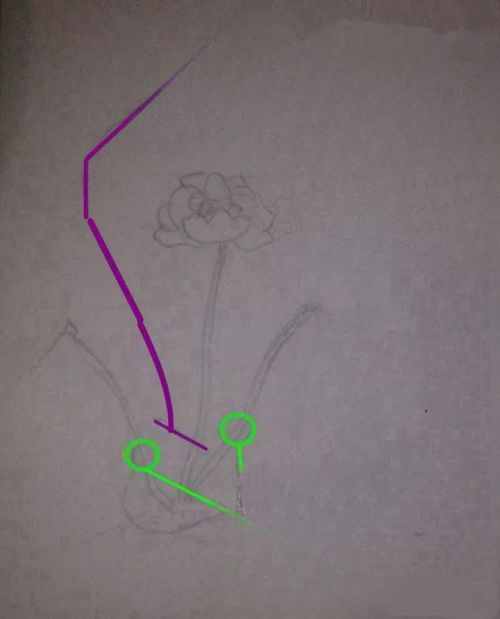
2. Prune in the early spring of the second year, which is mid-to-late January in the south and February in the north. All branches can be cut to 20 cm from the ground (keep 2 buds on each branch). Pruning can promote growth and make the flowers bigger and more numerous.
more detail:


Comments
Post a Comment